

Cyberattack Prevention Strategies Why MLJ Consultancy LLC Is Your Cybersecurity Shield

A cyberattack rarely starts with a dramatic breach. It often starts with one weak password, one unpatched system, one convincing email, or one account with more access than it needs. For a business, that small gap can turn into downtime, lost data, compliance trouble, damaged trust, and expensive recovery work.
Effective prevention gives teams breathing room. It reduces the number of easy targets, limits damage when something goes wrong, and helps leaders make smarter security decisions before pressure hits.
That is where MLJ CONSULTANCY LLC fits in. The right security partner does more than install tools. It helps define priorities, build policies that people can follow, and create a security program that works across users, devices, networks, cloud systems, and data.

Why cyberattack prevention deserves priority
Cybersecurity often gets attention after an incident. By then, the business may already face interrupted operations, exposed records, legal review, recovery costs, and frustrated customers.
Prevention changes the timeline. Instead of reacting to every threat after it lands, a business builds controls that block common attacks, detect suspicious activity early, and contain damage quickly.
Strong prevention supports several business goals:
Operational continuity
Teams can keep working when attackers target accounts, devices, or systems.
Customer trust
Clients expect businesses to protect sensitive information with care.
Regulatory readiness
Many industries require security controls around access, data handling, incident response, and backups.
Lower recovery costs
Preventing an incident usually costs less than rebuilding systems after one.
Better decision-making
Clear security visibility helps leaders understand risk before it becomes urgent.
MLJ CONSULTANCY LLC helps organizations turn these goals into practical security steps. That may include reviewing current controls, identifying weak points, improving access policies, and building a prevention plan that fits the size and complexity of the organization.
What cybersecurity protects
Cybersecurity protects more than laptops and servers. It protects the systems, people, data, and processes that keep a business running.
A complete cybersecurity program covers:
Area | What needs protection | Common risk |
Identity | User accounts, admin access, login systems | Stolen credentials |
Devices | Workstations, mobile devices, servers | Malware and misconfigured systems |
Networks | Internal systems, remote access, cloud connections | Unauthorized access |
Inboxes, attachments, links, impersonation attempts | Phishing and fraud | |
Data | Customer records, financial files, intellectual property | Theft, loss, or corruption |
Backups | Recovery copies and restore processes | Ransomware damage |
Good cyberattack prevention strategies connect these areas instead of treating them as separate projects. For example, strong passwords help, but they work better with MFA, access limits, email controls, monitoring, and tested backups.
Who owns cybersecurity inside a business
Cybersecurity works best when everyone understands their role.
Executives set priorities, approve resources, and decide how much risk the organization can accept. IT teams manage systems, updates, access, and technical controls. Managers help enforce policies in daily workflows. Employees protect accounts, report suspicious messages, and follow safe data handling practices.
Outside experts can also play a key role. MLJ CONSULTANCY LLC supports businesses that need guidance, assessment, planning, implementation support, or a stronger security roadmap. This helps smaller teams gain security depth without trying to build every skill in-house. It also helps larger organizations validate controls, close gaps, and improve consistency across departments or locations.
Security cannot sit with one person alone. Attackers look for the easiest path, and that path may run through a vendor account, a shared password, a forgotten device, or an inbox. Shared ownership closes more doors.
When prevention should happen
The best time to prevent an attack is before a warning sign appears. Still, many businesses improve security during key moments of change.
Security planning should happen when:
A company adds remote or hybrid work
New software, cloud services, or vendors enter the business
Staff roles change and access needs shift
The organization opens new locations
Compliance requirements change
A merger, acquisition, or major growth phase begins
A security incident or near miss exposes a gap
Prevention also needs a regular rhythm. Cybersecurity is not a one-time setup. Systems change, employees join and leave, attackers adjust their methods, and old settings can create new risks.
MLJ CONSULTANCY LLC can help create recurring security reviews, access audits, patch schedules, backup tests, and response planning sessions. That steady cadence helps security stay current without creating unnecessary disruption.
How core prevention controls reduce risk
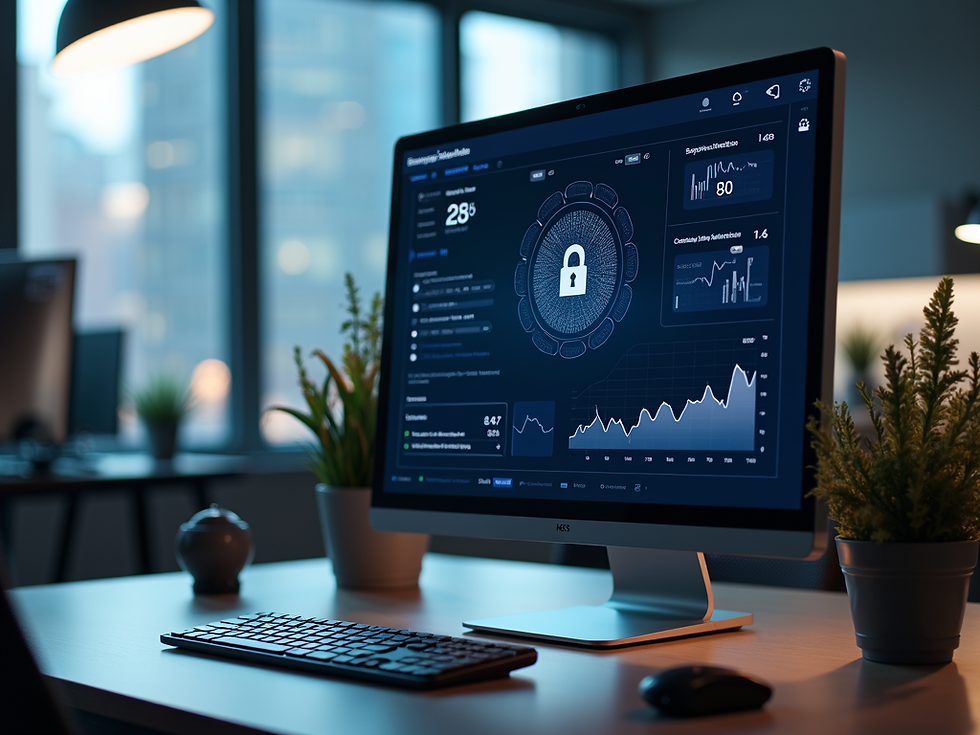
Some controls do more work than others. The following practices form a strong base for most businesses, from small companies to enterprise environments.
Enforce Multi-Factor Authentication
Multi-Factor Authentication, or MFA, asks users to prove their identity in more than one way. A password alone may fail if someone steals it through phishing, reuse, or malware. MFA adds another check, such as an app prompt, security key, or one-time code.
MFA should protect:
Email accounts
Remote access systems
Cloud applications
Admin accounts
Financial systems
Customer databases
MLJ CONSULTANCY LLC can help choose where MFA matters most, define rollout phases, reduce user friction, and create policies that avoid common gaps, such as exempted admin accounts.
Adopt a Zero Trust model
Zero Trust means no user, device, or connection gets automatic trust. Every request needs the right identity, device health, access level, and context.
This model helps businesses move beyond the old idea that everything inside the network is safe. That assumption no longer fits modern work. People use cloud tools, mobile devices, remote connections, and third-party platforms.
A practical Zero Trust approach may include:
Verifying users every time risk changes
Checking device posture before granting access
Segmenting systems to limit movement
Monitoring unusual behavior
Reviewing access often
MLJ CONSULTANCY LLC helps translate Zero Trust from a concept into a step-by-step plan. The goal is not to block productivity. The goal is to give the right access to the right people under the right conditions.
Implement the Principle of Least Privilege
The Principle of Least Privilege gives each user only the access needed to do the job. No more.
This reduces damage when an account gets compromised. If an attacker steals a standard user’s login, limited permissions can stop that attacker from reaching payroll, customer records, admin tools, or backup systems.
Good least privilege practices include:
Removing unused accounts
Limiting administrator rights
Separating privileged accounts from daily-use accounts
Reviewing access after role changes
Approving access through a clear process
MLJ CONSULTANCY LLC can support access reviews, privilege cleanup, identity governance planning, and policy design.
Use robust passwords and better password habits
Passwords still matter. Weak passwords, reused passwords, and shared passwords create avoidable risk.
A strong password program should require long, unique passwords for every account. Teams should avoid shared credentials and store passwords safely. Password managers can help people use stronger credentials without memorizing dozens of complex strings.
Password rules should focus on length and uniqueness, not constant forced changes that encourage poor habits. Pair passwords with MFA for stronger protection.
Where attackers often find openings
Attackers look for the easiest target, not always the biggest one. They scan for common weaknesses across public systems, cloud settings, inboxes, endpoints, and accounts.
Common openings include:
Unpatched operating systems and applications
Public-facing systems with poor configuration
Email accounts without MFA
Devices without current protection
Overly broad user permissions
Data stored without encryption or access control
Backups connected in ways that attackers can delete or encrypt
Employees who never received security awareness training
This is why a useful cyberattack prevention guide should cover technology, process, and people. Tools matter, but tools alone cannot fix unclear ownership, poor access habits, or untested recovery plans.
MLJ CONSULTANCY LLC helps businesses look across the full environment so prevention efforts do not stop at the most visible systems.

Actionable prevention strategies that strengthen daily operations
The strongest security programs turn good intentions into repeatable work. These strategies help reduce risk in practical ways.
Automate patch management
Unpatched software gives attackers an open path. Patch management keeps operating systems, applications, browsers, firmware, and security tools current.
Automation helps teams apply updates quickly and consistently. It also reduces the chance that a forgotten device becomes the weak link.
A good patch process should include:
Asset inventory
Patch prioritization by risk
Testing for critical systems
Scheduled deployment windows
Reporting on missing updates
Follow-up for failed installs
MLJ CONSULTANCY LLC can assess patching gaps, help define update policies, and support processes that fit business uptime needs.
Deploy endpoint protection
Endpoints include laptops, desktops, mobile devices, and servers. Attackers often target them because users interact with email, files, browsers, and applications every day.
Endpoint protection helps detect and stop malware, suspicious behavior, and unauthorized activity. It should run alongside device hardening, encryption, access controls, and clear response steps.
Security teams should know which devices connect to the business, who uses them, and whether they meet security requirements.
Use firewalls and monitoring systems
Firewalls control traffic between systems, networks, and the internet. Monitoring systems watch for signs of trouble, such as unusual login attempts, unexpected data movement, or connections to risky destinations.
Together, these controls help businesses detect problems early. Prevention does not mean every attack attempt disappears. It means the organization can block more attempts and react faster when something looks wrong.
MLJ CONSULTANCY LLC can help review firewall rules, improve logging, define alerts, and support monitoring practices that match the organization’s risk level.
Implement email security measures
Email remains one of the most common entry points for attacks. Phishing messages can trick users into sharing passwords, opening harmful attachments, or approving fraudulent requests.
Email security should include:
MFA for email accounts
Filtering for harmful links and attachments
Domain protections to reduce impersonation risk
Clear reporting steps for suspicious emails
Training with realistic examples
Extra verification for payment or account changes
The goal is to reduce dangerous messages while giving employees simple steps when something feels off.
Secure data storage and test backups
Data protection needs both security and recovery. Businesses should understand where sensitive data lives, who can access it, how long they keep it, and how they protect it.
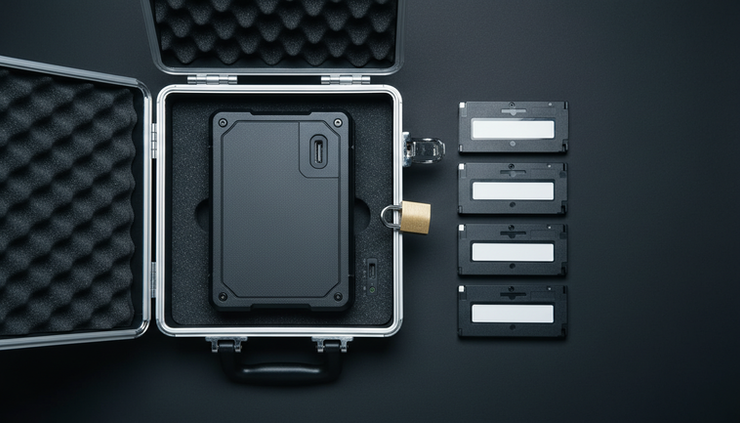
Strong data practices include encryption, access controls, retention rules, and secure storage locations. Backups need equal care. Ransomware often targets backups because recovery gives a business leverage during a crisis.
A dependable backup plan should include:
Regular backup schedules
Offline or protected backup copies
Access limits for backup systems
Restore testing
Clear recovery priorities
Documentation for critical systems
MLJ CONSULTANCY LLC helps organizations evaluate backup readiness, improve data protection controls, and create recovery plans that teams can follow under stress.
How MLJ CONSULTANCY LLC serves as a cybersecurity shield
A cybersecurity shield does not mean one product or one checklist. It means layered protection, clear priorities, and ongoing support.
MLJ CONSULTANCY LLC helps businesses nationwide improve prevention through services that can include security assessments, risk reviews, access control planning, MFA rollout support, Zero Trust guidance, patch management planning, endpoint protection review, email security improvement, backup readiness, and monitoring strategy.
The value comes from focus. Instead of guessing which gaps matter most, businesses can work with MLJ CONSULTANCY LLC to identify risk, rank improvements, and act in a practical order.
For many organizations, the first step is a clear review of current security posture. From there, MLJ CONSULTANCY LLC can help build a roadmap that balances protection, budget, staff capacity, and business needs.
Explore MLJ CONSULTANCY LLC cybersecurity services to start building a stronger prevention plan.
FAQ
What is the most important first step in cyberattack prevention?
Start with identity protection. Enforce MFA, remove unused accounts, limit admin access, and require strong, unique passwords. These steps reduce risk quickly.
Does a small business really need Zero Trust?
Yes, but it can start small. A small business can apply Zero Trust by verifying users, limiting access, requiring MFA, and checking devices before they connect to sensitive systems.
How often should a business review cybersecurity controls?
Review key controls at least regularly and after major changes, such as new systems, new vendors, staff changes, or remote work expansion. Access rights, patches, backups, and alerts need ongoing attention.
Why are backups part of prevention?
Backups reduce the impact of ransomware, deletion, corruption, and system failure. They give the business a recovery path instead of relying only on containment.
Can MLJ CONSULTANCY LLC help if a business already has IT staff?
Yes. MLJ CONSULTANCY LLC can support internal teams with assessments, planning, policy review, implementation guidance, and added cybersecurity expertise.
Build prevention before pressure arrives
Cybersecurity works best when businesses treat it as a daily discipline, not an emergency project. MFA, Zero Trust, least privilege, strong passwords, patching, endpoint protection, monitoring, email security, secure storage, and tested backups all work together.
MLJ CONSULTANCY LLC helps turn those controls into a clear, manageable program. The next step is simple: assess the gaps, rank the risks, and build protection before attackers find the opening.


Comments